December 4, 2025
Septic systems are vital for many American homes, especially those outside municipal sewer networks. According to Statista, about 86.1% of U.S. residents are connected to centralized sewer systems. Unfortunately, these systems are often misunderstood, leading homeowners to make costly mistakes or neglect routine maintenance. Understanding how septic systems work and what common myths get wrong can help homeowners protect their investment, their property, and the environment.
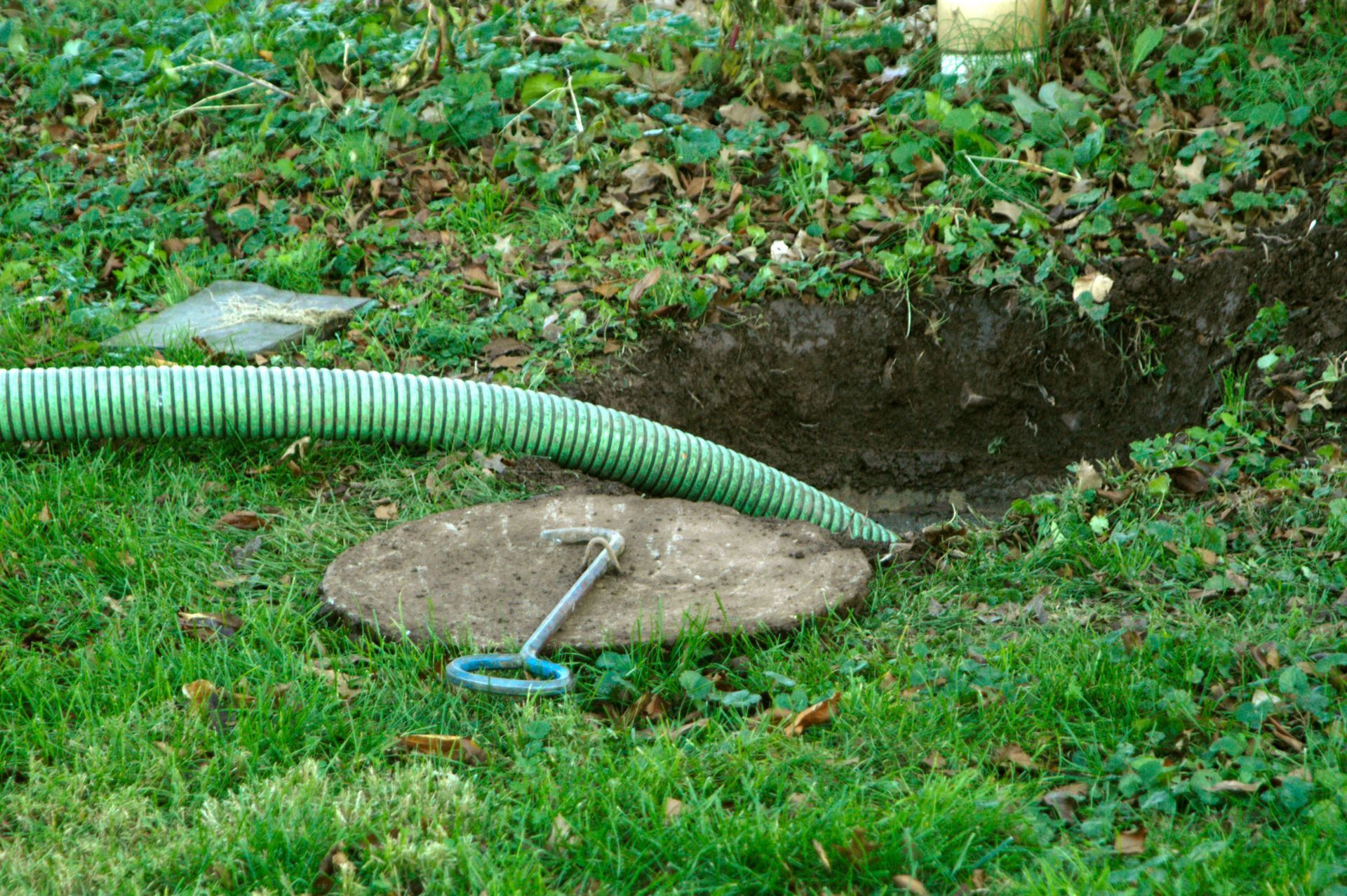
A septic system collects wastewater from household plumbing and directs it into a buried tank. Inside the tank, waste separates into three layers: solids that settle as sludge, liquid effluent in the middle, and floating scum composed of oils and fats. Bacteria inside the tank break down organic matter, and the liquid effluent flows to a drain field where it's naturally filtered through the soil. Each component, such as the tank, the drain field, and the soil, must work in harmony for effective treatment.
Myth 1: Septic Tanks Never Need Pumping
One of the most dangerous misconceptions is that septic tanks are “self-cleaning” and never require attention. In reality, waste buildup is inevitable. Over time, sludge and scum layers grow thicker, reducing space for wastewater and hindering bacterial activity. When these solids overflow into the drain field, clogs, backups, and environmental contamination can occur.
Ignoring the need for septic tank pumping can lead to severe problems such as sewage backups inside the home, water contamination, or total system failure. These issues not only jeopardize health but can cost thousands in repairs or even full system replacement.
Experts recommend scheduling septic tank pumping every three to five years, depending on household size, tank capacity, and water usage habits. Larger families or homes with heavy water consumption may require more frequent service. Routine inspections by licensed professionals help determine the right schedule for each household. Regular pumping also ensures that the bacterial environment remains balanced and effective, preserving the system's lifespan and functionality.
Myth 2: Additives Can Replace Septic Tank Pumping
Another popular myth suggests that additives such as bacteria, enzymes, or chemical products can eliminate the need for septic tank pumping. These additives often claim to “digest” solids or “clean” the system, but the science tells a different story. While some biological additives may assist in breaking down organic matter, none can fully eliminate sludge or prevent solid buildup.
Relying solely on additives can even harm your system. Some contain harsh chemicals that kill beneficial bacteria or corrode tank materials. Others disrupt the natural microbial balance, making the system less efficient over time. Moreover, non-biodegradable solids such as wipes or plastics cannot be digested, regardless of the additives used.
Professional septic service providers consistently emphasize that additives should supplement, not replace, proper maintenance. The most effective approach combines safe disposal habits, routine inspections, and scheduled septic tank pumping. Homeowners who depend only on additives often discover too late that their systems have silently deteriorated—resulting in much higher long-term costs.
Myth 3: Septic Systems Can Handle Anything
A common mistake among homeowners is treating a septic system like a city sewer connection, assuming it can handle any type of waste. In reality, septic systems are delicate ecosystems that rely on natural bacterial processes. Introducing inappropriate materials, such as grease, chemicals, wipes, or feminine hygiene products, can disrupt these processes and cause blockages.
Non-biodegradable items accumulate in the sludge layer, reducing capacity and increasing the risk of overflow. Harsh cleaning agents can kill essential bacteria, preventing proper waste breakdown. Overuse of water can overload the system, flooding the drain field and pushing untreated wastewater into the environment.
To maintain system health, homeowners should adopt proper waste disposal practices. Only biodegradable, septic-safe materials should enter drains and toilets. Conserving water, spacing out laundry loads, and avoiding harsh chemicals all contribute to longer system life. Additionally, environmentally conscious choices—like using natural cleaning products or composting organic waste—support both septic function and ecological sustainability.
Modern technology also offers solutions to improve system management. Smart monitoring devices can detect early warning signs such as rising sludge levels or abnormal flow rates, helping homeowners schedule septic tank pumping before problems escalate. These innovations make it easier to maintain systems efficiently and responsibly.
Myth 4: DIY Septic Pumping Is Safe and Cost-Effective
Some homeowners consider pumping their own tanks to save money, but DIY septic tank pumping poses serious health, safety, and legal risks. The process involves handling hazardous waste, operating specialized equipment, and following strict disposal regulations, all of which require professional training.
Without proper tools or expertise, DIY efforts often result in incomplete pumping, system damage, or contamination. Exposure to raw sewage can cause severe illness, while improper waste disposal violates environmental laws and may lead to costly fines. In addition, disturbing the tank's internal structure or components without knowledge can cause leaks or mechanical failure.
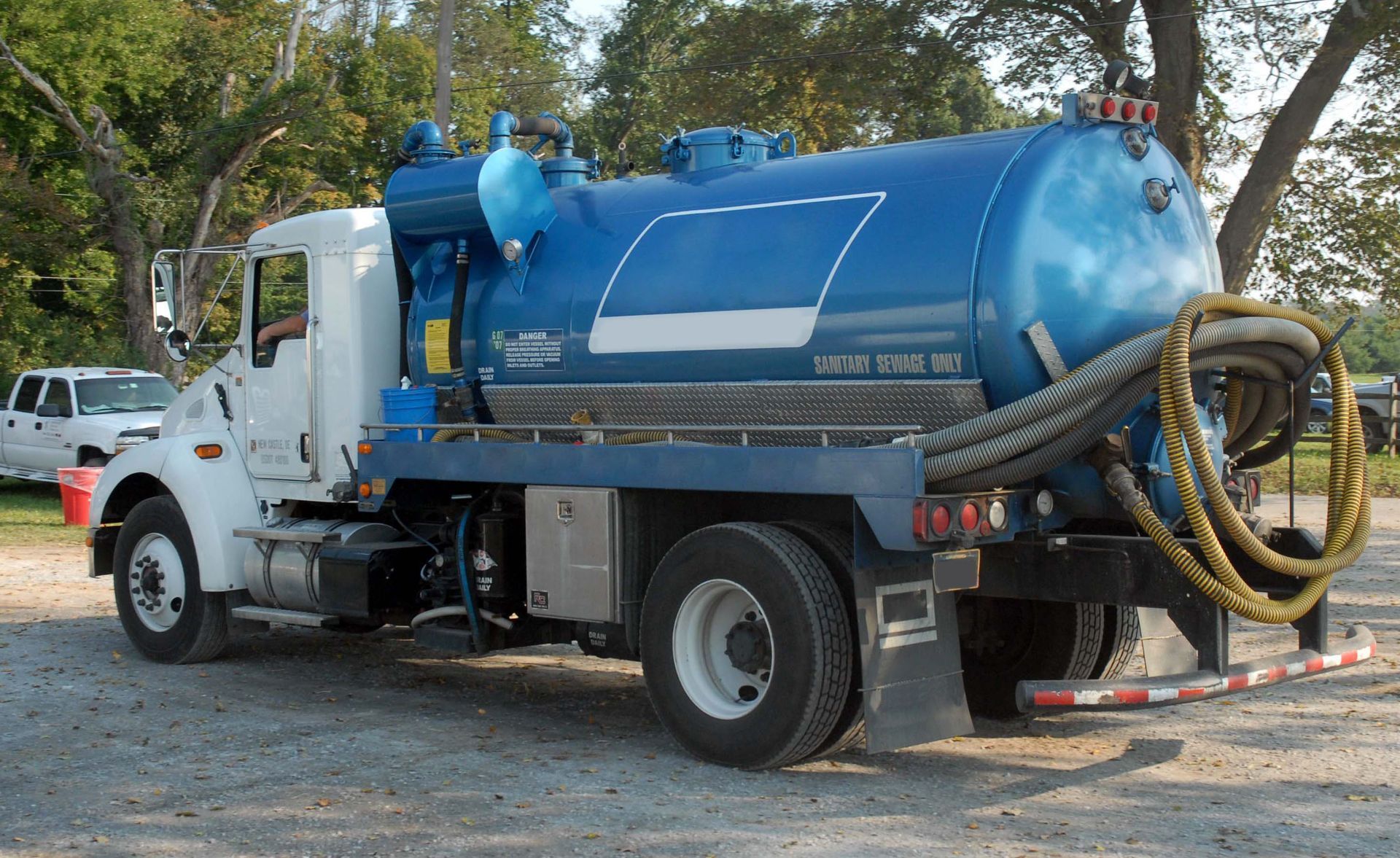
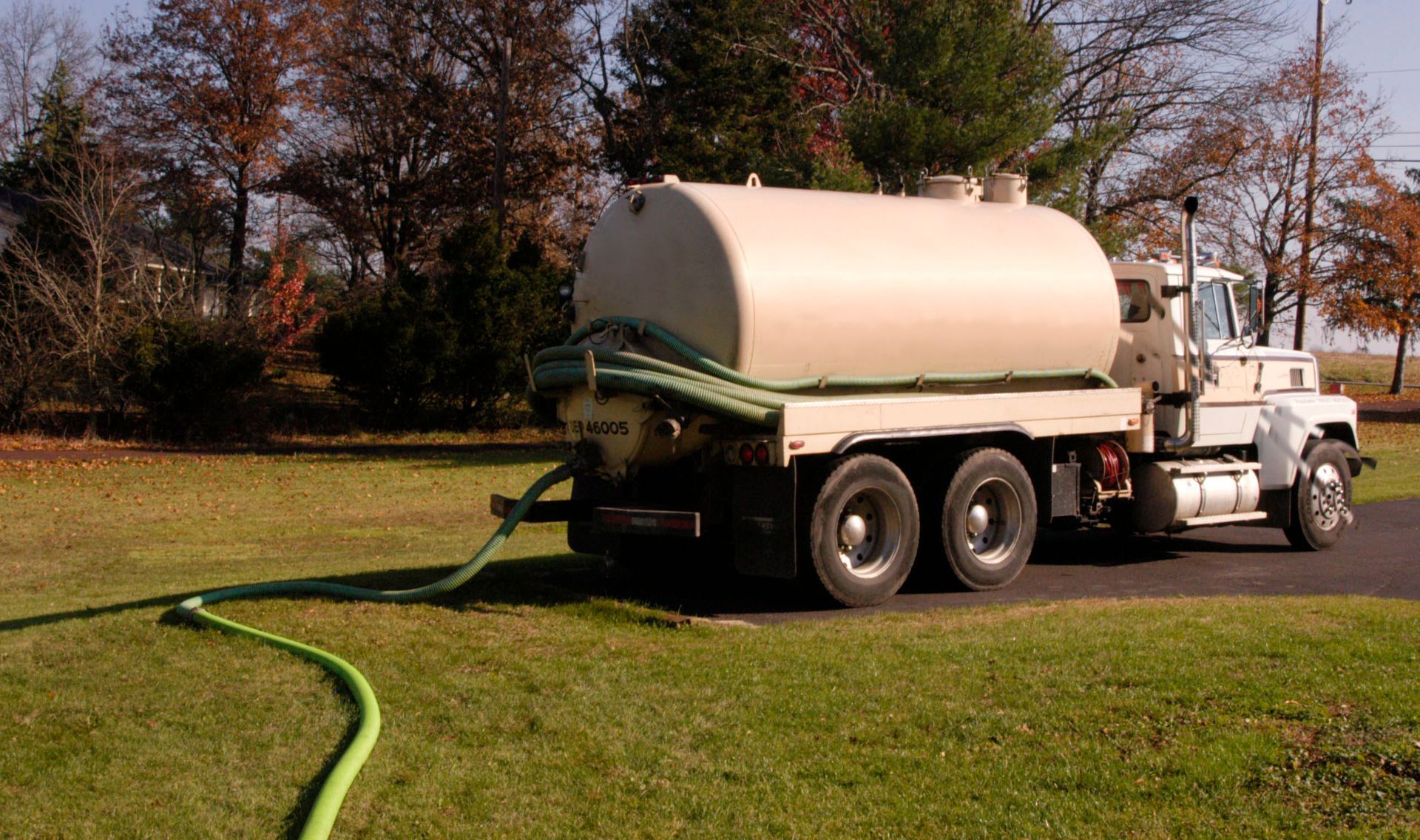
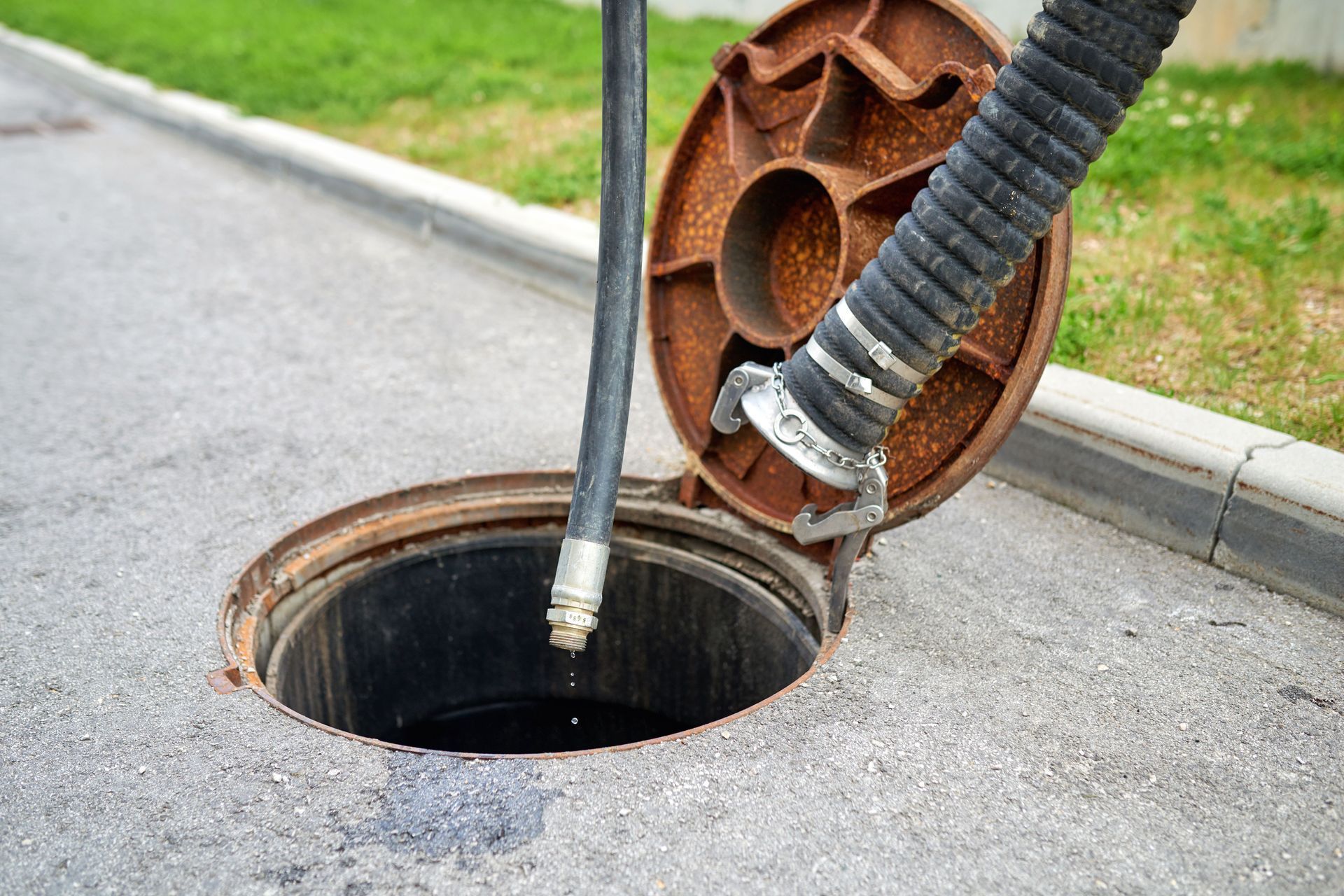
Hiring a professional septic service ensures that waste is removed safely and completely. Licensed technicians use advanced vacuum equipment, inspect the tank for cracks or leaks, and dispose of waste at approved treatment facilities. While the upfront cost may seem higher than doing it yourself, professional septic tank pumping prevents far greater expenses from repairs, replacements, or contamination cleanup.
Myth 5: Septic Tank Placement Doesn't Matter
Proper septic system placement is crucial for both performance and environmental protection. The tank and drain field must be located in areas that support natural filtration, safe distance from wells, water bodies, or buildings. Poor placement can lead to contamination of groundwater, soil saturation, or even structural damage to nearby foundations.
Common mistakes include placing tanks too close to homes, planting trees with invasive roots nearby, or installing systems in low-lying areas prone to flooding. These oversights can compromise system efficiency and cause major repairs later.
Local building codes and environmental regulations govern septic system placement to ensure safety and compliance. Consulting licensed professionals during installation helps ensure tanks are positioned correctly, accessible for future maintenance, and compliant with legal requirements. Strategic placement not only optimizes function but also preserves property value and environmental quality.
The Importance of Proactive Maintenance
All septic systems, regardless of design or size, depend on proactive care. Early warning signs like slow drains, gurgling pipes, unpleasant odors, or standing water near the drain field should never be ignored. These signals often indicate that septic tank pumping or repair is needed. Quick intervention prevents minor problems from turning into major failures.
Homeowners should schedule regular inspections every one to two years and follow professional recommendations on pumping frequency. Keeping accurate records of maintenance, usage patterns, and previous inspections also helps technicians assess the system's health more effectively. When in doubt, always err on the side of caution; routine maintenance is far less expensive than emergency repairs or system replacement.
Dispelling myths about septic systems is key to maintaining efficiency, preventing costly damage, and protecting the environment. Regular septic tank pumping, responsible waste disposal, and professional oversight ensure your system functions effectively for years. Avoiding shortcuts like skipping maintenance or relying solely on additives can save thousands of dollars and countless headaches down the road.
If you're unsure about the condition of your septic system or when it was last serviced, now is the perfect time to act. Schedule a professional septic tank pumping and inspection today with Shelley's Septic Tanks, DBA Shelley's Environmental to safeguard your home, your family's health, and your property's long-term value.