December 30, 2025
A septic system is a vital part of many homes, especially in rural areas or communities without access to municipal sewage systems. While these systems are generally low-maintenance, neglecting routine care can lead to costly repairs, unpleasant odors, and environmental hazards. One of the most crucial aspects of septic system maintenance is septic tank pumping. Understanding how often you need it, what factors influence pumping frequency, and how to maintain your system can save you time, money, and headaches.
Understand Your Septic System
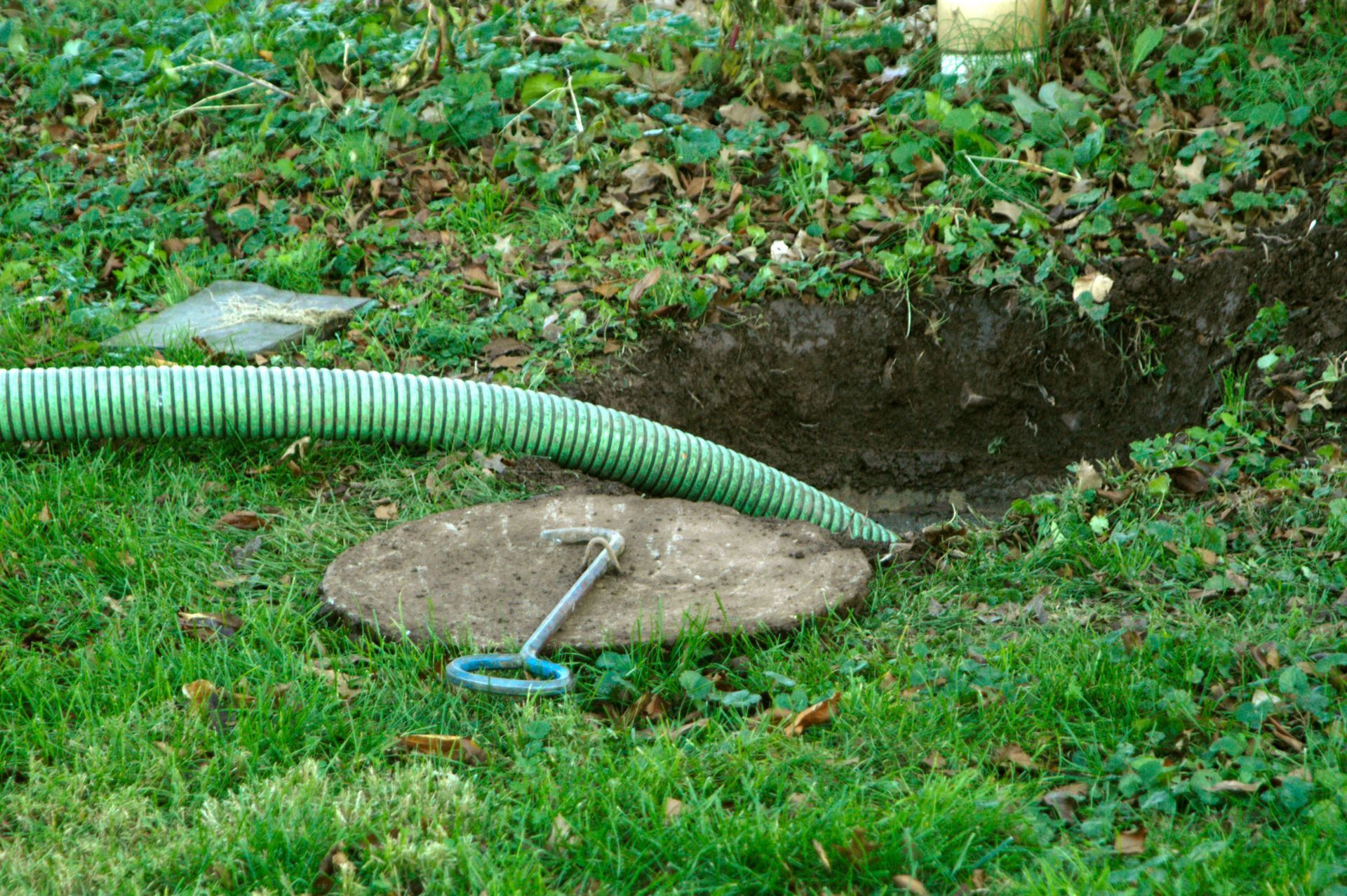
A septic system is essentially an underground wastewater treatment structure that uses a combination of nature and proven technology to treat household wastewater. It consists of a septic tank and a drain field. The tank separates solids from liquids and allows the wastewater to partially decompose through bacterial activity. Liquids then flow into the drain field, where soil naturally filters out harmful bacteria, viruses, and nutrients.
The septic tank itself is designed to hold wastewater long enough for solids to settle to the bottom and form sludge, while fats and oils float to the top as scum. Over time, both sludge and scum accumulate, and if they aren’t removed, they can overflow into the drain field, causing blockages and damage.
According to The Spruce, most home septic tanks hold between 1,000 and 1,500 gallons, though sizes can range from 750 to 1,750 gallons. Knowing your tank’s capacity helps you plan for timely septic tank pumping. Additionally, understanding the layout of your drain field and the direction of wastewater flow can help prevent accidental damage from landscaping, vehicles, or construction work.
Determine Factors Affecting Pumping Frequency
Several factors affect how often a septic tank requires pumping. Household size is a significant consideration; more people mean more wastewater, which fills the tank faster. Water usage habits, such as frequent laundry loads, long showers, or high dishwasher usage, can also increase the rate at which solids accumulate.
Lifestyle choices can further impact pumping needs. For instance, families who host large gatherings or frequently use garbage disposals may introduce more solids into the tank, accelerating the need for pumping. Homes that experience high water usage or intermittent occupancy, such as vacation homes, require customized schedules based on seasonal use.
Another factor is the type and age of the septic system. Older systems may not be as efficient at separating solids from liquids, necessitating more frequent pumping. Additionally, the type of tank — concrete, fiberglass, or plastic — can influence its maintenance needs. Environmental conditions around your home, such as soil type, drainage patterns, and groundwater levels, also affect system performance. For example, clay-heavy soil may prevent proper absorption, leading to quicker fill-ups and more frequent pumping.
Schedule Regular Septic Tank Pumping
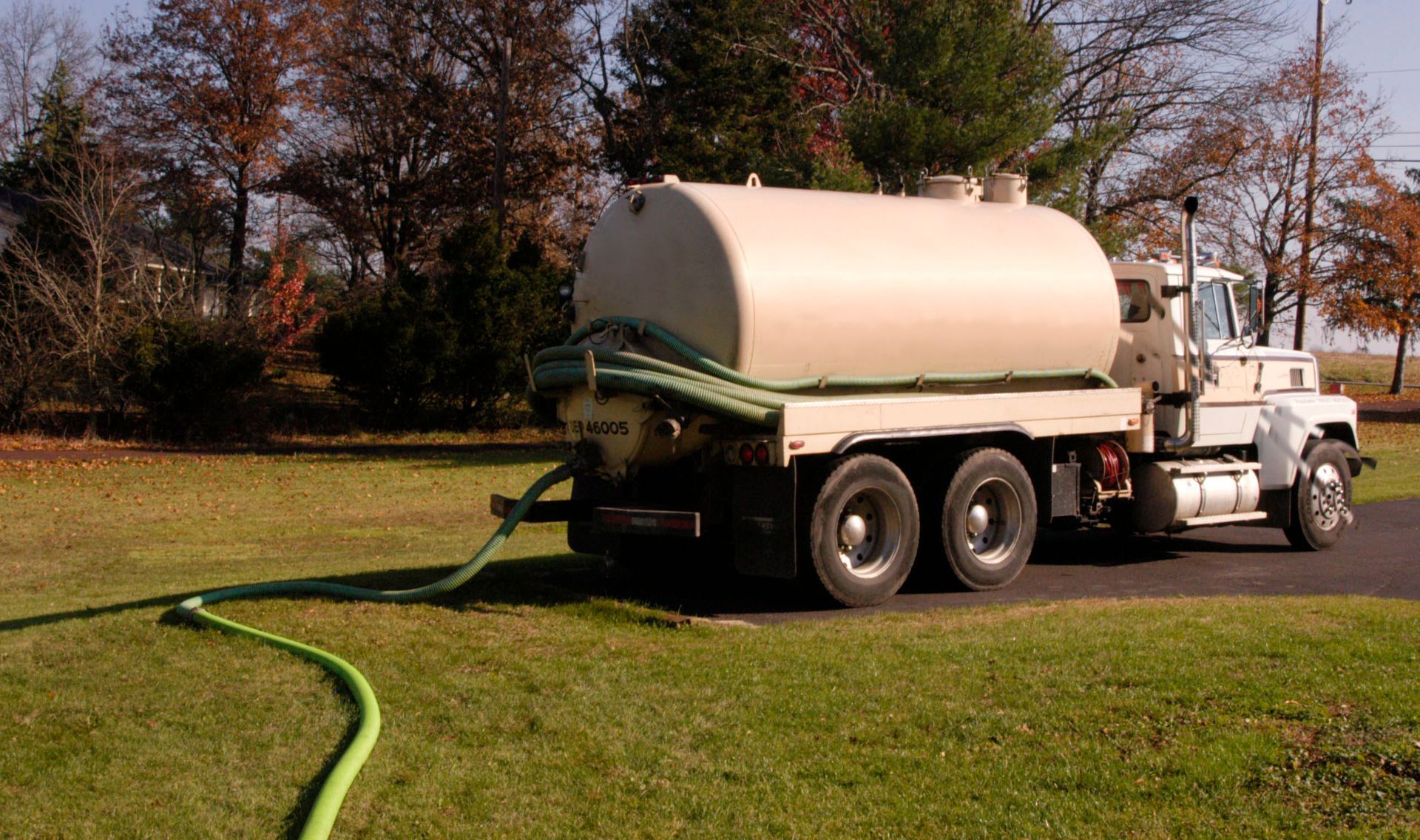
The most effective way to avoid problems is to schedule septic tank pumping at regular intervals. For most households, this ranges from every three to five years. Homes with smaller tanks, higher occupancy, or older systems may require pumping every two to three years, while larger tanks in low-use homes may go longer between services.
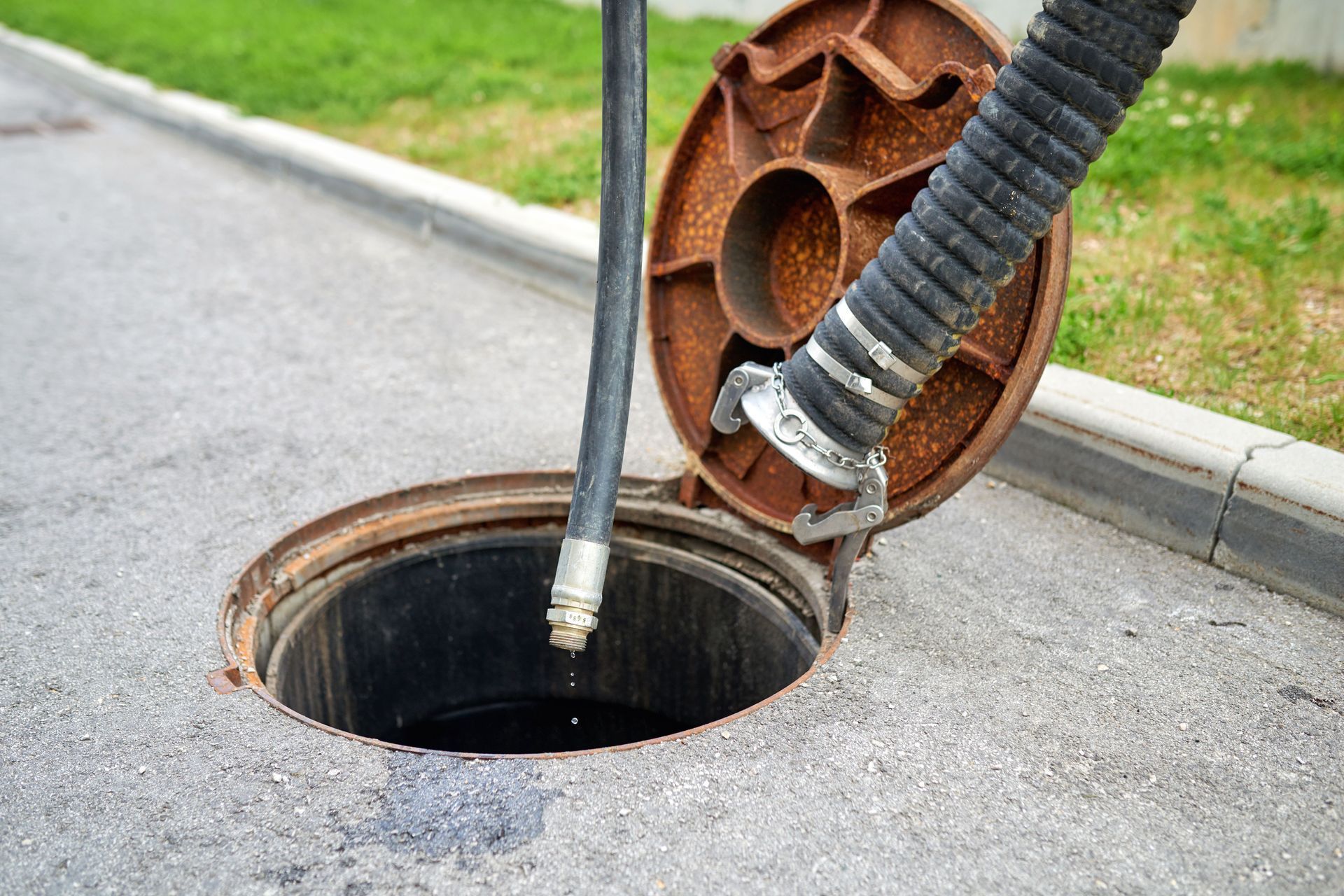
Regular pumping prevents solids from building up and clogging the system. It also reduces the risk of leaks or overflows, which can lead to expensive repairs and environmental contamination. When scheduling a pumping service, be sure to work with a licensed, experienced professional who can inspect your system and recommend a tailored maintenance plan. A professional can also advise on when other maintenance tasks, such as baffle replacement or filter cleaning, are necessary to maximize the life of your system.
Inspect Your System Annually
Alongside pumping, annual inspections help detect issues before they become emergencies. During an inspection, a technician examines the tank, pipes, and drain field for signs of leaks, blockages, or damage. They may also measure sludge and scum levels to determine if the system is approaching its pumping threshold.
Annual inspections allow homeowners to identify small problems — like slow drainage or minor leaks — before they develop into costly emergencies. By combining regular inspections with septic tank pumping, homeowners can extend the life of their system and ensure it operates efficiently. Proactive maintenance is always cheaper and less stressful than reacting to a sudden system failure.
Recognize Warning Signs
Even with a regular pumping schedule, it’s important to remain vigilant for signs that your system needs attention. Common warning signs include slow drains, gurgling sounds in plumbing, water pooling around the drain field, and unpleasant odors inside or outside your home.
Other less obvious indicators include unusually lush patches of grass over the drain field, which may suggest leaks, or backups in sinks and toilets that indicate sludge is reaching the pipes. If you notice any of these symptoms, contact a professional immediately. Ignoring them can lead to extensive damage, environmental contamination, and expensive repairs. In many cases, timely septic tank pumping can resolve minor issues before they escalate.
Maintain Your System Between Pumpings
Proper care between pumping sessions is essential to keeping your system healthy. Avoid flushing non-biodegradable items, grease, or harsh chemicals, as these can disrupt bacterial activity and block pipes. Spread out laundry loads to reduce strain on the tank, and minimize water waste wherever possible.
Homeowners should also protect the drain field from heavy traffic. Parking vehicles, storing equipment, or planting deep-rooted trees over the system can compress soil and damage pipes. Installing a layer of gravel or creating a protective barrier over the drain field can prevent accidental damage. Regularly checking your system for leaks, clearing debris, and keeping the area free of erosion will further ensure optimal performance.
Additionally, educating all household members on proper usage habits — such as using low-flow faucets, not pouring cooking oil down the drain, and avoiding chemical drain cleaners — can greatly extend the period between septic tank pumping services.
Understand the Costs and Benefits
The cost of septic tank pumping varies depending on tank size, location, and service provider, but it is generally a fraction of the expense associated with major repairs or tank replacement. Investing in routine pumping protects your home, prevents health hazards, and maintains property value.
Beyond the financial aspect, a well-maintained system is environmentally responsible. Properly treated wastewater reduces pollution in local waterways, protecting both wildlife and community health. By investing in regular pumping, inspections, and responsible usage, homeowners ensure their septic system runs efficiently, minimizing both environmental impact and long-term costs.
Consider Professional Services
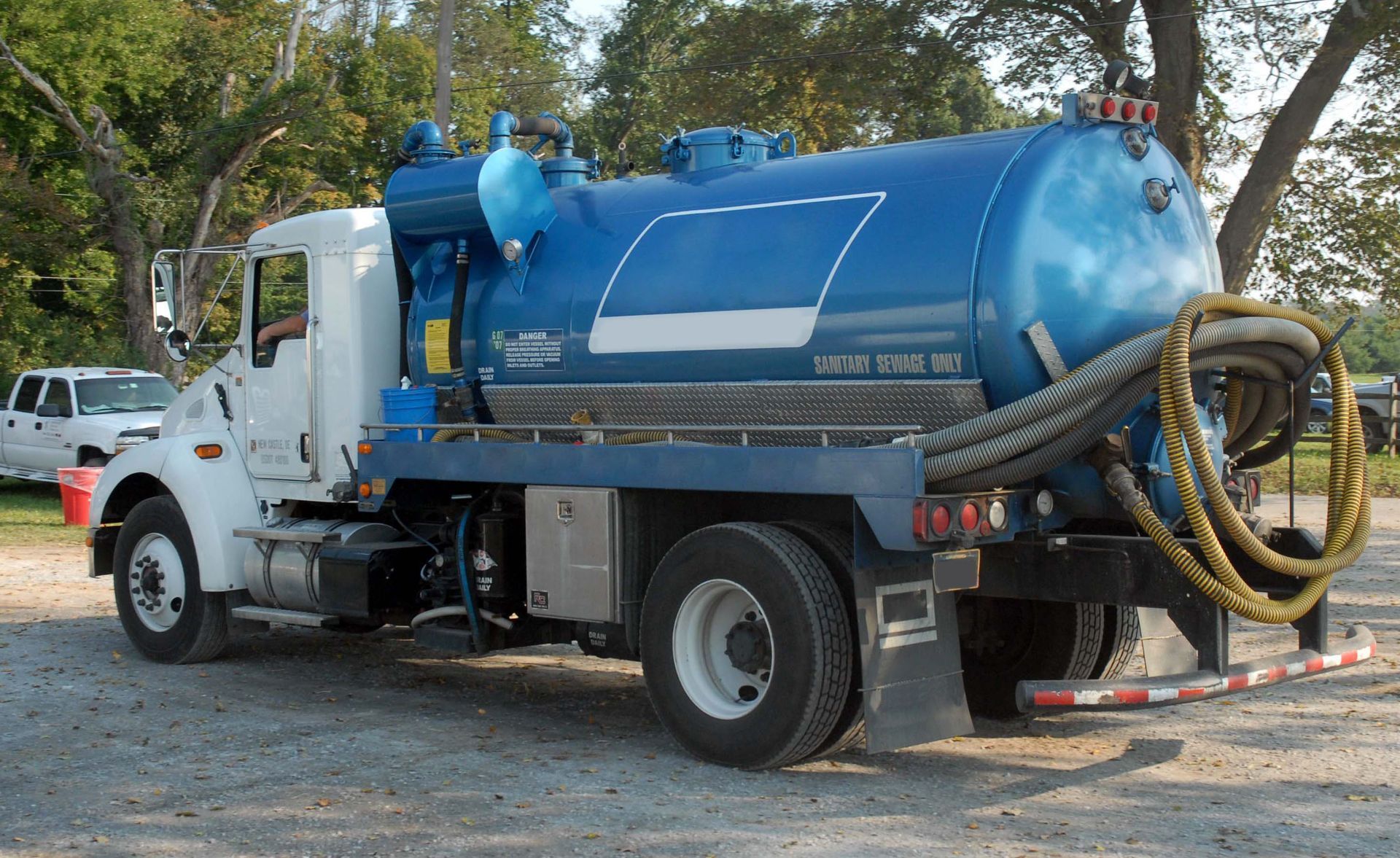
Selecting a reputable company for pumping and inspection is critical. Professional technicians bring the right equipment, experience, and knowledge to handle your system safely and efficiently. Services typically include tank pumping, sludge measurement, inspections, and recommendations for future maintenance.
For homeowners looking for reliable service in the area, professional septic service providers offer comprehensive care and guidance, ensuring systems remain in optimal condition for years to come. Working with a trusted provider ensures compliance with local regulations and provides peace of mind that your septic system is handled safely and correctly.
Maintaining a septic system requires a combination of knowledge, routine care, and timely professional service. Regular septic tank pumping — guided by tank size, household usage, and expert recommendations — is essential to prevent costly problems and protect your home and the environment. Annual inspections, vigilant monitoring, and careful system use between pumpings further enhance system longevity and efficiency. Contact Shelley's Septic Tanks, DBA Shelley's Environmental today to schedule a septic tank pumping service. Proper maintenance today prevents problems tomorrow.